
Kyowa Kirin and Kura Oncology Initiate Japanese Phase 2 Registration-Directed Trial of Ziftomenib in
– Regulatory Filing in Japan Planned Following Clinical Trial Completion –
TOKYO and SAN DIEGO, April 24, 2026 (GLOBE NEWSWIRE) -- Kyowa Kirin Co., Ltd. (TSE: 4151, “Kyowa Kirin”) and Kura Oncology, Inc. (Nasdaq: KURA, “Kura”) today announced the first patient has been dosed in a Japanese Phase 2 registrational clinical trial (jRCT2031250550) studying ziftomenib, an oral menin inhibitor, for the treatment of relapsed or refractory (R/R) NPM1-mutated (NPM1-m) acute myeloid leukemia (AML). NPM1-m AML accounts for approximately 30% of AML patients. The initiation of this trial represents a significant step forward toward establishing a potential new treatment option for patients in Japan. Following completion of this clinical trial, Kyowa Kirin plans to file for regulatory approval in Japan.
Ziftomenib was approved by the U.S. Food and Drug Administration (FDA) in November 2025 for the treatment of adult patients with R/R NPM1-m AML who have no satisfactory alternative treatment options, under the brand name KOMZIFTI™.
“Patients with R/R NPM1-m AML often face limitations with existing treatment options and have a critical need for new therapeutic alternatives. Ziftomenib has the potential to provide a new treatment approach for these patients,” said Yoshifumi Torii, Ph.D., Chief Medical Officer of Kyowa Kirin. “The initiation of this trial is part of Kyowa Kirin's patient-centered drug development efforts in our priority area of 'hematologic malignancies and refractory hematologic disorders.' We will appropriately advance this trial and work diligently to confirm efficacy and safety, with the goal of ultimately providing a new treatment option to help address unmet needs for patients in Japan as soon as possible.”
The trial initiated by Kyowa Kirin is a multicenter, single-arm, open-label Japanese Phase 2 clinical trial evaluating the efficacy and safety of ziftomenib in adult patients with R/R NPM1-m AML. As the primary endpoint, the trial will assess a composite complete remission rate consisting of complete remission (CR) and complete remission with partial hematologic recovery (CRh).
“The initiation of the Phase 2 clinical trial of ziftomenib in Japan represents a significant milestone in our global development strategy,” said Mollie Leoni, M.D., Chief Medical Officer at Kura Oncology. “In R/R NPM1-m AML, therapeutic options remain limited in many regions and patient populations, highlighting the urgent need for innovative therapies. In clinical trials outside of Japan, ziftomenib has consistently shown a favorable efficacy and safety profile combined with the convenience of once-daily oral administration. Advancing clinical development in Japan is a meaningful step toward establishing global access to this promising therapy. We look forward to close collaboration with Kyowa Kirin to support the trial and deliver new hope to patients in need.”
Kyowa Kirin Co., Ltd. is committed to the research and development of innovative medicines in areas of high unmet medical need. Ziftomenib is in development in combination with standard-of-care and targeted therapies for the front-line treatment of AML harboring NPM1 mutations, KMT2A translocations and FLT3 mutations, with the potential to benefit a broad spectrum of patients earlier in their disease course.
NPM1, nucleophosmin 1, KMT2A, lysine methyltransferase 2A, FLT3, Fms-like tyrosine kinase 3
U.S. KOMZIFTI™ (ziftomenib) Indication
KOMZIFTI is an oral menin inhibitor approved for the treatment of adult patients with relapsed or refractory acute myeloid leukemia with a susceptible NPM1 mutation who have no satisfactory alternative treatment options.
IMPORTANT SAFETY INFORMATION FOR KOMZIFTI FROM THE U.S. PRESCRIBING INFORMATION
Boxed WARNING: DIFFERENTIATION SYNDROME
Differentiation syndrome, which can be fatal, has occurred with KOMZIFTI. Signs and symptoms may include fever, joint pain, hypotension, hypoxia, dyspnea, rapid weight gain or peripheral edema, pleural or pericardial effusions, pulmonary infiltrates, acute kidney injury, and rashes. If differentiation syndrome is suspected, interrupt KOMZIFTI, and initiate oral or intravenous corticosteroids with hemodynamic and laboratory monitoring until symptom resolution; resume KOMZIFTI upon symptom improvement.
WARNINGS AND PRECAUTIONS
Differentiation Syndrome
KOMZIFTI can cause fatal or life-threatening differentiation syndrome (DS). DS is associated with rapid proliferation and differentiation of myeloid cells. Symptoms of DS, including those seen in patients treated with KOMZIFTI, may include fever, hypoxia, joint pain, hypotension, dyspnea, rapid weight gain or peripheral edema, pleural or pericardial effusions, acute kidney injury, and rashes.
In the clinical trial, DS occurred in 29 (26%) of 112 patients with R/R AML with an NPM1 mutation who were treated with KOMZIFTI at the recommended dosage. DS was Grade 3 in 13% and fatal in two patients. In broader evaluation of all patients with any genetic form of AML treated with KOMZIFTI monotherapy in clinical trials, DS occurred in 25% of patients. Four fatal cases of DS occurred out of 39 patients with KMT2A-rearranged AML treated with KOMZIFTI. KOMZIFTI is not approved for use in patients with KMT2A-rearranged AML.
In the 112 patients with an NPM1 mutation, DS was observed with and without concomitant hyperleukocytosis, in as early as 3 days and up to 46 days after KOMZIFTI initiation. The median time to onset was 15 days. Two patients experienced more than one DS event. Treatment was interrupted and resumed in 15 (13%) patients, while it was permanently discontinued in 2 (2%) patients.
Prior to starting treatment with KOMZIFTI, reduce the WBC counts to less than 25 x 10⁹/L. If DS is suspected, interrupt KOMZIFTI, initiate oral or intravenous corticosteroids (e.g., dexamethasone 10 mg every 12 hours) for a minimum of 3 days with hemodynamic and laboratory monitoring. Resume treatment with KOMZIFTI at the same dose level when signs and symptoms improve and are Grade 2 or lower. Taper corticosteroids over a minimum of 3 days after adequate control or resolution of symptoms. Symptoms of DS may recur with premature discontinuation of corticosteroid treatment.
QTc Interval Prolongation
KOMZIFTI can cause QTc interval prolongation. In the clinical trial, QTc interval prolongation was reported as an adverse reaction in 12% of 112 patients treated with KOMZIFTI at the recommended dosage for R/R AML with an NPM1 mutation. QTc interval prolongation was Grade 3 in 8% of patients. The heart-rate corrected QT interval (using Fridericia’s method) (QTcF) was greater than 500 msec in 9% of patients, and the increase from baseline QTcF was greater than 60 msec in 12% of patients. KOMZIFTI dose reduction was required for 1% of patients due to QTc interval prolongation. QTc prolongation occurred in 14% of the 42 patients less than 65 years of age and in 10% of the 70 patients 65 years of age or older.
Correct electrolyte abnormalities, including hypokalemia and hypomagnesemia, prior to treatment with KOMZIFTI. Perform an ECG prior to initiation of treatment with KOMZIFTI, and do not initiate KOMZIFTI in patients with QTcF > 480 msec. Perform an ECG at least once weekly for the first four weeks on treatment, and at least monthly thereafter. Interrupt KOMZIFTI if the QTc interval is > 500 ms or the change from baseline is > 60 ms (Grade 3). In patients with congenital long QTc syndrome, congestive heart failure, electrolyte abnormalities, or those who are taking medications known to prolong the QTc interval, more frequent ECG monitoring may be necessary. Concomitant use of KOMZIFTI with drugs known to prolong the QTc interval may increase the risk of QTc interval prolongation, result in a greater increase in the QTc interval and adverse reactions associated with QTc interval prolongation, including Torsades de Pointes, other serious arrhythmias, and sudden death.
Embryo-Fetal Toxicity
Based on findings in animals and its mechanism of action, KOMZIFTI can cause embryo-fetal harm when administered to a pregnant woman. Advise pregnant women of the potential risk to the fetus. Advise females of reproductive potential to use effective contraception during treatment with KOMZIFTI and for 6 months after the last dose. Advise males with female partners of reproductive potential to use effective contraception during treatment with KOMZIFTI and for 3 months after the last dose.
ADVERSE REACTIONS
Fatal adverse reactions occurred in 4 (4%) patients who received KOMZIFTI, including 2 with differentiation syndrome, 1 with infection, and 1 with sudden death. Serious adverse reactions were reported in 79% of patients who received KOMZIFTI. Serious adverse reactions occurring in ≥ 5% of patients included infection without an identified pathogen (29%), febrile neutropenia (18%), bacterial infection (16%), differentiation syndrome (16%), and dyspnea (6%).
Dosage interruption of KOMZIFTI due to an adverse reaction occurred in 54% of patients. Adverse reactions that required dose interruption in ≥ 2% of patients included infection without an identified pathogen (15%), differentiation syndrome (13%), febrile neutropenia (5%), pyrexia (4%), electrocardiogram QT prolonged (4%), leukocytosis (4%), bacterial infection (3%), cardiac failure (2%), cholecystitis (2%), diarrhea (2%), pruritus (2%), and thrombosis (2%). Dose reduction of KOMZIFTI due to an adverse reaction occurred in 4% of patients. Permanent discontinuation of KOMZIFTI due to an adverse reaction occurred in 21% of patients. Adverse reactions that required permanent discontinuation of KOMZIFTI in ≥ 2% of patients were infection without an identified pathogen (8%), bacterial infection (4%), cardiac arrest (2%), and differentiation syndrome (2%).
Most common (≥ 20%) adverse reactions, including laboratory abnormalities, were aspartate aminotransferase increased (53%), infection without an identified pathogen (52%), potassium decreased (52%), albumin decreased (51%), alanine aminotransferase increased (50%), sodium decreased (49%), creatinine increased (45%), alkaline phosphatase increased (41%), hemorrhage (38%), diarrhea (36%), nausea (35%), fatigue (34%), edema (30%), bacterial infection (28%), musculoskeletal pain (28%), bilirubin increased (27%), potassium increased (26%), differentiation syndrome (26%), pruritus (23%), febrile neutropenia (22%), and transaminases increased (21%).
DRUG INTERACTIONS
Drug interactions may occur when KOMZIFTI is concomitantly used with:
- Strong or Moderate CYP3A4 Inhibitors: Monitor patients more frequently for KOMZIFTI-associated adverse reactions.
- Strong or Moderate CYP3A4 Inducers: Avoid concomitant use of KOMZIFTI.
- Gastric Acid Reducing Agents: Avoid concomitant use of KOMZIFTI with proton pump inhibitors (PPIs), H2 receptor antagonists (H2RAs), or locally acting antacids. If concomitant use with H2RAs or locally acting antacids cannot be avoided, modify KOMZIFTI administration time.
- Take KOMZIFTI 2 hours before or 10 hours after administration of an H2 receptor antagonist.
- Take KOMZIFTI 2 hours before or 2 hours after administration of a locally acting antacid.
- Drugs that Prolong the QTc Interval: Avoid concomitant use of KOMZIFTI. If concomitant use cannot be avoided, obtain ECGs when initiating, during concomitant use, and as clinically indicated. Interrupt KOMZIFTI if the QTc interval is > 500 ms or the change from baseline is > 60 ms.
USE IN SPECIFIC POPULATIONS
Pregnancy: Based on findings in animals and its mechanism of action, KOMZIFTI can cause embryo-fetal harm when administered to a pregnant woman. Advise pregnant women of the potential risk to a fetus. Verify pregnancy status in females of reproductive potential prior to starting KOMZIFTI.
Lactation: Because of the potential for adverse reactions in the breastfed child, advise women not to breastfeed during treatment with KOMZIFTI and for 2 weeks after the last dose.
Infertility: Based on findings in animals, KOMZIFTI may impair fertility in females and males of reproductive potential.
Please see full Prescribing Information, including Boxed WARNING.
About the Strategic Collaboration Between Kyowa Kirin and Kura Oncology
Kyowa Kirin and Kura Oncology are working closely together to deliver new treatment options to patients worldwide. In November 2024, the companies entered into a global license agreement for menin inhibitors, including ziftomenib. Under this agreement, Kyowa Kirin leads development, regulatory and commercial strategy and is responsible for commercializing ziftomenib outside the United States. In the United States, Kura leads development, regulatory and commercial strategy and is responsible for manufacturing ziftomenib. The companies jointly perform commercialization activities in accordance with a co-created United States territory commercialization plan. For more details, please refer to previous press releases.
About Kura Oncology
Kura Oncology is a biopharmaceutical company committed to realizing the promise of precision medicines for the treatment of cancer. Kura’s pipeline of small molecule drug candidates is designed to target cancer signaling pathways and address high-need hematologic malignancies and solid tumors. Kura developed and is commercializing KOMZIFTI™ (ziftomenib), the FDA-approved once-daily, oral menin inhibitor for the treatment of adults with relapsed or refractory NPM1-mutated acute myeloid leukemia, and continues to pioneer advancements in menin inhibition and farnesyl transferase inhibition. For additional information, please visit the Kura website at https://kuraoncology.com/ and follow us on X and LinkedIn.
About Kyowa Kirin
Kyowa Kirin aims to discover and deliver novel medicines and treatments with life-changing value. As a Japan-based Global Specialty Pharmaceutical Company, Kyowa Kirin has invested in drug discovery and biotechnology innovation for more than 70 years and is currently working to engineer the next generation of antibodies and cell and gene therapies with the potential to help patients with high unmet medical needs, such as bone & mineral, intractable hematological diseases/hemato-oncology and rare diseases. A shared commitment to Kyowa Kirin’s values, to sustainable growth, and to making people smile unites Kyowa Kirin across the globe. You can learn more about the business of Kyowa Kirin at www.kyowakirin.com.
Kura Oncology Forward-Looking Statements
This news release contains certain forward-looking statements that involve risks and uncertainties that could cause actual results to be materially different from historical results or from any future results expressed or implied by such forward-looking statements. Such forward-looking statements include statements regarding, among other things, advancement of the Phase 2 clinical trial of ziftomenib in Japan, confirmation of ziftomenib’s efficacy and safety, development of ziftomenib as a treatment option for patients in Japan with R/R NPM1-m AML and improvement in the quality of life for such patients, the plan to file for regulatory approval of ziftomenib in Japan, ziftomenib’s potential in combination with other therapies, and global access to ziftomenib. Factors that may cause actual results to differ materially include the risk that ziftomenib does not demonstrate safety and/or efficacy in the Japanese Phase 2 clinical trial; the risk that Kyowa Kirin may not obtain approval to market ziftomenib in Japan; uncertainties associated with performing clinical trials, regulatory filings, and other interactions with regulatory bodies; the risk that the collaboration with Kyowa Kirin is unsuccessful; and other risks associated with the process of discovering, developing and commercializing drugs that are safe and effective for use as human therapeutics, and in the endeavor of building a business around such drugs. You are urged to consider statements that include the words “may,” “will,” “would,” “could,” “should,” “believes,” “estimates,” “projects,” “promise,” “potential,” “expects,” “plans,” “anticipates,” “intends,” “continues,” “designed,” “goal,” or the negative of those words or other comparable words to be uncertain and forward-looking. For a further list and description of the risks and uncertainties Kura Oncology faces, please refer to Kura Oncology's periodic and other filings with the Securities and Exchange Commission, which are available at www.sec.gov. Such forward-looking statements are current only as of the date they are made, and Kura Oncology assumes no obligation to update any forward-looking statements, whether as a result of new information, future events or otherwise.

- Parse推出GigaLab,将单细胞测序能力扩大到每年数十亿个细胞
- 银期转账建设项目成功上线,助力兴业银行同业存管结算类系统建设进入新阶段
- “智构应急生态 数创消防未来”FIOT2024中国消防物联网大会盛大召开 !
- 399元!EMEET壹秘又一新品上市: EMEET C60E 4K双目直播摄像头
- 文汇报特别报道|上海LED屏为何在海外意外走红?
- 氨糖选对不踩坑!药品级氨糖树立关节养护新标准
- 天纳克携前沿技术亮相2025中国国际海事展
- 西藏斜视患儿寒假进京手术成功,千里护航点亮视觉未来
- LambdaTest Enhances Cross-Browser Testing with ChromeOS Support
- NAMS荣获“亚洲最佳资产管理公司”奖项,彰显行业领导地位
- 双轮驱动加速AI落地:刘庆峰谈如何破解科技成果转化“最后一公里”
- 广西演艺职业学院短剧实战营发布会在京开启
- 开工新春礼 温暖一座城 —— 百胜中国用爱点燃城市活力
- 2026最新办公窗帘十大品牌排名_办公窗帘_窗帘工厂_办公工程遮阳帘_智能窗帘
- 辛芷蕾张颂文新片《日掛中天》首曝海报 威尼斯电影节最佳导演重磅回归
- 【金隅·望京之星】大望京商务区,擎动时代商务速度
- 大年初七,一天6台角膜移植手术成功实施背后的捐献与坚守
- 信雅达大模型智能问答产品发布 运营知识助手“小雅”上线
- 上百家权威媒体聚焦,联鹿AED——这几类人群的“急救守护者”
- 市场聚焦,跨越隔日达怎么收费背后的行业新趋势
- 拓扑丝路携手邓白氏重磅战略合作,共筑外贸精准获客新生态
- 万纬合肥肥西冷链园区获评合肥市首家五星级冷链集配中心
- 哈尔斯与京东集团达成战略合作:打造杯壶行业首家双盘联动标杆!
- 信息化赋能残疾儿童康复救助 滨州市残联提升政务服务高度
- 43家媒体聚焦!奥瑞吉医保配镜创纪录亮相 5100万观看量背后的惠民惠企革新!
- 村田推出高精度汽车用6轴惯性传感器~一颗传感器可同时用于车辆自身位置推算、车辆姿态测量和前照灯调平~
- 新起点新征程!四川壹零柒陆药业获《药品经营许可证》,谱写药兜集团发展新篇章
- 乘势而上启新程!四方制药锚定2026:双轮驱动开好局,品牌赋能促发展
- O'Reilly Publishes In-Depth Book on Logical Data Management
- 来自IBM THINK 2024的六大启示
推荐
-
 周星驰新片《少林女足》在台湾省举办海选,吸引了不少素人和足球爱好者前来参加
周星驰新片《少林女足》在台湾省举办海选,吸
资讯
周星驰新片《少林女足》在台湾省举办海选,吸引了不少素人和足球爱好者前来参加
周星驰新片《少林女足》在台湾省举办海选,吸
资讯
-
 大家一起关注新疆乌什7.1级地震救援见闻
看到热气腾腾的抓饭马上就要出锅、村里大家
资讯
大家一起关注新疆乌什7.1级地震救援见闻
看到热气腾腾的抓饭马上就要出锅、村里大家
资讯
-
 王自如被强制执行3383万
据中国执行信息公开网消息,近期,王自如新增一
资讯
王自如被强制执行3383万
据中国执行信息公开网消息,近期,王自如新增一
资讯
-
 海南大学生返校机票贵 有什么好的解决办法吗?
近日,有网友在“人民网领导留言板&rdqu
资讯
海南大学生返校机票贵 有什么好的解决办法吗?
近日,有网友在“人民网领导留言板&rdqu
资讯
-
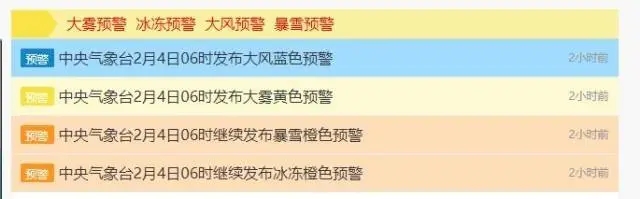 中央气象台连发四则气象灾害预警
暴雪橙色预警+冰冻橙色预警+大雾黄色预警+
资讯
中央气象台连发四则气象灾害预警
暴雪橙色预警+冰冻橙色预警+大雾黄色预警+
资讯
-
 奥运冠军刘翔更新社交账号晒出近照 时隔473天更新动态!
2月20日凌晨2点,奥运冠军刘翔更新社交账号晒
资讯
奥运冠军刘翔更新社交账号晒出近照 时隔473天更新动态!
2月20日凌晨2点,奥运冠军刘翔更新社交账号晒
资讯
-
 透过数据看城乡居民医保“含金量” 缴费标准是否合理?
记者从国家医保局了解到,近期,全国大部分地区
资讯
透过数据看城乡居民医保“含金量” 缴费标准是否合理?
记者从国家医保局了解到,近期,全国大部分地区
资讯
-
 一个“江浙沪人家的孩子已经不卷学习了”的新闻引发议论纷纷
星标★
来源:桌子的生活观(ID:zzdshg)
没
资讯
一个“江浙沪人家的孩子已经不卷学习了”的新闻引发议论纷纷
星标★
来源:桌子的生活观(ID:zzdshg)
没
资讯
-
 看新东方创始人俞敏洪如何回应董宇辉新号分流的?
(来源:中国证券报)
东方甄选净利润大幅下滑
资讯
看新东方创始人俞敏洪如何回应董宇辉新号分流的?
(来源:中国证券报)
东方甄选净利润大幅下滑
资讯
-
 国足13次出战亚洲杯首次小组赛0进球
北京时间1月23日消息,2023亚洲杯小组
资讯
国足13次出战亚洲杯首次小组赛0进球
北京时间1月23日消息,2023亚洲杯小组
资讯