
New nanoparticle technology offers hope for hard-to-treat diseases
Sydney, Australia, Jan. 21, 2026 (GLOBE NEWSWIRE) -- A newly published paper in Nature Nanotechnology details groundbreaking nanoparticle technology, with research led by University of Technology Chair Professor in Nanomedicine Bingyang Shi.
A newly published perspective article in Nature Nanotechnology details groundbreaking nanoparticle technology to eliminate harmful, disease-causing proteins in the body. The technology marks a transformative leap in the potential to drug “undruggable” proteins, to treat diseases such as dementia and brain cancer.
The research was led by Chair Professor in Nanomedicine Bingyang Shi from the University of Technology Sydney (UTS), together with international collaborators Professor Kam Leong from Columbia University, and Professor Meng Zheng from Henan University.
“Proteins are essential for nearly every function in the body, but when they become mutated, misfolded, overproduced, or build up in the wrong place, they can disrupt normal cell processes and trigger disease,” said Professor Shi.
“Many conditions, including cancer, dementia and autoimmune disorders, are driven by abnormal proteins, and some have shapes or behaviours that make them particularly resistant to drug treatments.”
The researchers developed a new class of engineered nanoparticles, known as nanoparticle-mediated targeting chimeras (NPTACs). These tiny particles can be customised to bind to, and degrade, specific disease-related proteins.
The Nature Nanotechnology article, Nanoparticle-mediated targeting chimeras transform targeted protein degradation, examines the new technology and potential applications. The initial discovery was also published in Nature Nanotechnology in October 2024.
“We have developed an efficient and flexible method to guide disease-causing proteins, whether inside or outside the cell, into the body's natural recycling system, where they can be broken down and removed,” said Professor Shi.
Targeted protein degradation is one of the fastest-growing areas in biotechnology, with immense commercial potential. Industry leaders such as Arvinas have raised over $1 billion USD and struck multi-billion-dollar partnerships with Pfizer, Bayer, and Roche.
However, conventional targeted protein degradation tools are limited by poor tissue penetration, off-target effects, and synthetic complexity – challenges that have hindered applications in areas such as brain disease and solid tumors.
“Our nanoparticle-based strategy overcomes these bottlenecks,” said Professor Shi.
Key advantages of the new technology include:
Enabling degradation of both intra- and extracellular proteins
Tissue- and disease-specific targeting, including across the blood–brain barrier
Plug-and-play modularity, enabling rapid adaptation to diverse protein targets
Scalable and clinically translatable; leverages FDA-approved nanomaterials & industry-proven strategies
Multifunctional integration, can combine with diagnostic or therapeutic capabilities.
Protected by multiple international patents, NPTACs have already shown strong preclinical results against key disease targets such as EGFR (a protein often driving tumour growth) and PD-L1 (a protein that helps cancer cells evade the immune system).
“This progress paves the way for applications in oncology, neurology and immunology. It changes how we think about nanoparticles – not only as delivery tools but also as active therapeutic agents,” said Professor Shi.
“With the targeted protein degradation market expected to surpass $10 billion USD by 2030, NPTACs provide a powerful platform for the next generation of smart, precision therapies.
"We are now seeking strategic industry partners to accelerate clinical development, license applications across therapeutic fields, and prepare for regulatory approval," he said.
Contact:
UTS International
University of Technology Sydney
international@uts.edu.au

- 中国平安八度蝉联Brand Finance全球保险品牌价值第一,品牌价值持续增长4.2%
- 京煜甄选平台全网火热招商中!!!
- LambdaTest与SVAM International Inc.宣布建立合作伙伴关系,共同推动企业质量工程转型
- 开启行业柜口无霜先河 美菱柜口无霜冷柜全球首发
- 盗龄医生的自信:以五重底气,绘就大健康产业新图景
- Lubrizol在中国上海成立美容研究院
- Yachting: Five years of sustainable innovation at Yacht Club de Monaco, Rendezvous set for September
- 第二届中国智能防风帘产业高质量发展峰会成功举办
- 甲流狂飙,48小时内,奥司他韦联合宣肺败毒颗粒,王炸组合,“团灭”甲流!
- 春天里·议国是|共担文化使命——刘延超
- 电通旗下VeryStar连摘Campaign 亚太科技MVP及鼎革奖两项大奖
- 顺心家居携经销商代表重走徽杭古道,感受徽商精神
- 达州生态果园——自然的馈赠,健康的选择
- 北方油画院推介油画名家一一骆根兴
- 晋宁钢琴艺术培训平台助力音乐教育数字化新征程!
- 用专业与耐心,让星星与地球对话——启蒙星空ASD儿童公益计划成功举办
- 亿起出海!亿兰科亮相2024南非国际太阳能展
- 晶科能源为宜宾市惠美精纺科技股份有限公司提供13套海豚工商业储能系统
- 一开局即王炸|钰俏伊人全国新品发布会 百万门店系统发布会暨新品发布会正式启动
- 黑桃资本与dragon-i创办人杨其龙先生 签订谅解备忘录 于全球联手打造娱乐事业新形态
- 三个人的团队如何撬动二十个账号的流量?亚索云矩阵系统重塑中小企业线上生存法则
- Therabody®发布穿戴式振动加压设备RecoveryPulse®系列
- Canva和MMA Global的最新调查发现,尽管存在投资缺口和人才库缩减问题,但高级营销人员仍将创意产出视为首要任务
- AI金融发展下的共赢,AMCAP当势前行
- Nordic和Sisvel将简化蜂窝物联网SEP许可
- 兴业银行落地首批银行间债券市场“债券通”北向通跨境回购业务
- 昆明三一一医院是私立 正规医院可安心就诊
- 以“新”赋能 向“新”发力 第十六届中国国际机床工具展(CIMES2024)展前发布会召开
- 国寿财险高质量发展再推演:在与国共振中释放增长能效
- 比克半固态电池新品亮相CIBF,开拓应用领域新格局
推荐
-
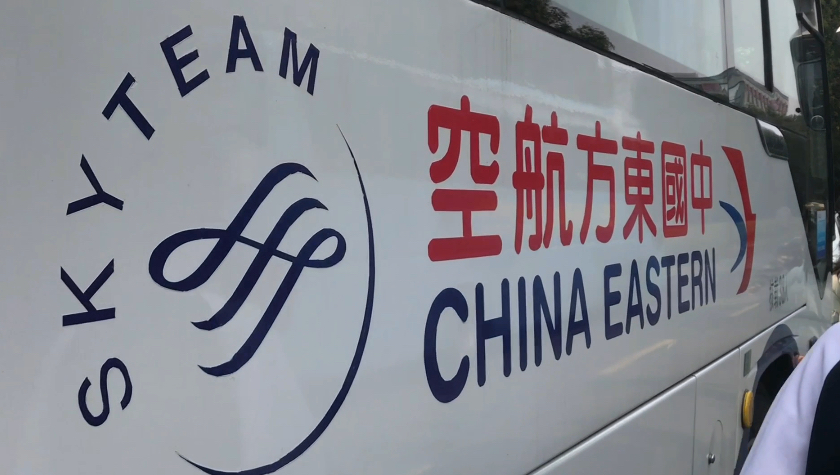 男子“机闹”后航班取消,同机旅客准备集体起诉
1月4日,一男子大闹飞机致航班取消的新闻登上
资讯
男子“机闹”后航班取消,同机旅客准备集体起诉
1月4日,一男子大闹飞机致航班取消的新闻登上
资讯
-
 国足13次出战亚洲杯首次小组赛0进球
北京时间1月23日消息,2023亚洲杯小组
资讯
国足13次出战亚洲杯首次小组赛0进球
北京时间1月23日消息,2023亚洲杯小组
资讯
-
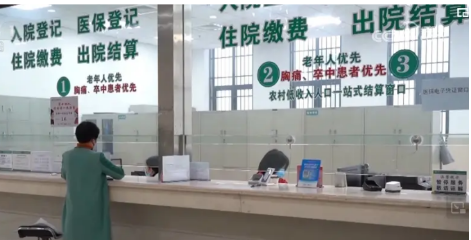 透过数据看城乡居民医保“含金量” 缴费标准是否合理?
记者从国家医保局了解到,近期,全国大部分地区
资讯
透过数据看城乡居民医保“含金量” 缴费标准是否合理?
记者从国家医保局了解到,近期,全国大部分地区
资讯
-
 中央气象台连发四则气象灾害预警
暴雪橙色预警+冰冻橙色预警+大雾黄色预警+
资讯
中央气象台连发四则气象灾害预警
暴雪橙色预警+冰冻橙色预警+大雾黄色预警+
资讯
-
 海南大学生返校机票贵 有什么好的解决办法吗?
近日,有网友在“人民网领导留言板&rdqu
资讯
海南大学生返校机票贵 有什么好的解决办法吗?
近日,有网友在“人民网领导留言板&rdqu
资讯
-
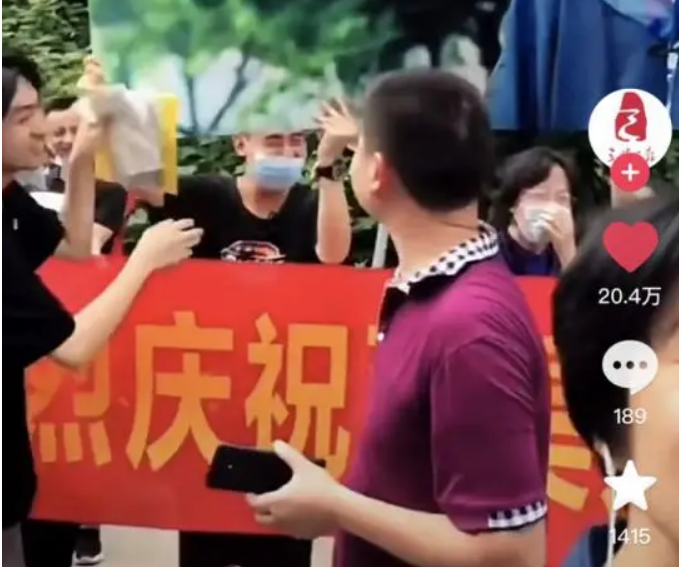 一个“江浙沪人家的孩子已经不卷学习了”的新闻引发议论纷纷
星标★
来源:桌子的生活观(ID:zzdshg)
没
资讯
一个“江浙沪人家的孩子已经不卷学习了”的新闻引发议论纷纷
星标★
来源:桌子的生活观(ID:zzdshg)
没
资讯
-
 大家一起关注新疆乌什7.1级地震救援见闻
看到热气腾腾的抓饭马上就要出锅、村里大家
资讯
大家一起关注新疆乌什7.1级地震救援见闻
看到热气腾腾的抓饭马上就要出锅、村里大家
资讯
-
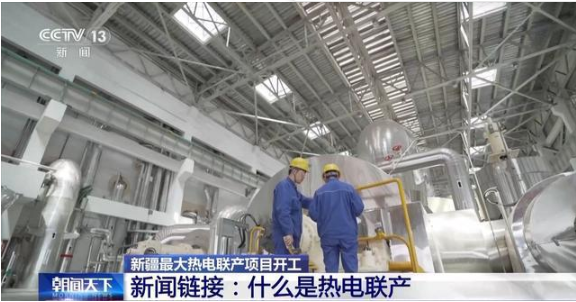 新增供热能力3200万平方米 新疆最大热电联产项目开工
昨天(26日),新疆最大的热电联产项目—&md
资讯
新增供热能力3200万平方米 新疆最大热电联产项目开工
昨天(26日),新疆最大的热电联产项目—&md
资讯
-
 周星驰新片《少林女足》在台湾省举办海选,吸引了不少素人和足球爱好者前来参加
周星驰新片《少林女足》在台湾省举办海选,吸
资讯
周星驰新片《少林女足》在台湾省举办海选,吸引了不少素人和足球爱好者前来参加
周星驰新片《少林女足》在台湾省举办海选,吸
资讯
-
 奥运冠军刘翔更新社交账号晒出近照 时隔473天更新动态!
2月20日凌晨2点,奥运冠军刘翔更新社交账号晒
资讯
奥运冠军刘翔更新社交账号晒出近照 时隔473天更新动态!
2月20日凌晨2点,奥运冠军刘翔更新社交账号晒
资讯