
Wood Mackenzie estimates that energy costs across all European industrial sectors could fall by €39
New LNG supply wave projected to nearly halve European gas prices by 2030, delivering €180 billion energy windfall through 2032
LONDON/HOUSTON/SINGAPORE, Jan. 15, 2026 (GLOBE NEWSWIRE) -- – A wave of new liquefied natural gas (LNG) supply could reverse a decade of European industrial decline, cutting annual energy costs by €39 billion by 2032 and delivering cumulative savings of €180 billion, equivalent to 1% of EU’s current GDP according to Wood Mackenzie's latest Horizons report.
European industrial natural gas and power demand declined by 21% and 4%, respectively, since 2021. But Europe’s sluggish economy could get a material lift from lower energy costs. Based on Wood Mackenzie's industrial price forecasts and assuming government taxes remain broadly similar, projected cumulative savings are equivalent to 19% of today's total gas and electricity expenditure. Savings would provide relief to energy-intensive industries battered by record energy prices, supply-chain disruptions and ambitious decarbonization targets.
Rather than political intervention, which has had mixed success, it is the end of high energy prices that may ultimately provide the greatest relief for Europe’s industrial sectors. High prices spurred massive investment in US and Qatar LNG capacity. This supply wave offers an opportunity to reverse what many view as the inevitable decline of European industrial competitiveness.
“Market dynamics from global LNG supply are creating a window for European industrial recovery that policy intervention has struggled to deliver," said Massimo Di Odoardo, Vice President, Gas and LNG Research. “For sectors like petrochemicals and metals that have operated under severe cost pressure, this price reversal window could determine whether they manage decline or achieve recovery. But the outcome will depend on whether the EU can find a better balance between its goals to reduce carbon emissions and the imperative to boost European industrial competitiveness.”
A reversal of fortune
Wood Mackenzie forecasts European traded gas prices will almost halve by 2030, compared to 2025 levels, as global LNG supply grows faster than demand, and despite prices will recover thereafter, they will still trade at an average of €24/MWh (US$8/mmbtu) in the 2030- 2035 period. Prices could fall further still should a meaningful return of Russian gas to Europe materialise.
Growth in LNG supply and data centres in the US will boost local gas demand by almost 40% in the next 10 years, lifting domestic Henry Hub prices to an average US$4.9/mmbtu (€15/MWh) in the 2030-2035 period, an almost 50% increase from 2025 levels. Effectively, US LNG supply growth will come at a cost to US consumers and benefit those in Europe.
Taxes, infrastructure costs and renewable energy subsidies will offset part of the wholesale price reductions. Even so, the scale of wholesale gas and electricity price reduction is substantial. European industrial users will see gas costs reduce sharply, narrowing the competitive gap to the US and moving closer to China, where prices are expected to remain relatively flat.
Can lower energy costs come to Europe's rescue?
The report, titled “The LNG lifeline: Will cheaper global gas resuscitate European industry?” reveals that the prize for the European economy could be substantial. Energy cost savings equivalent to 1% of EU gross domestic product in 2025 could provide material support to the bloc's sluggish economy. European iron and steel production – on the defensive for years, along with chemicals – could be thrown a lifeline, with cheaper energy enabling them to hold their ground in European markets. Pharmaceuticals and the food industry, meanwhile, would be in a position to regain ground, or even accelerate, production and capture a greater share of international markets.
Falling costs could also accelerate data centre investment—a strategic priority where Europe trails the US and China. The EU aims to triple data centre capacity by 2035, though current development pipelines deliver only a fraction of what is needed.
Lower energy prices alone may not be enough
However, boosting European industrial competitiveness are set against the backdrop of the EU's unswerving commitment to driving down emissions. Making the single most important obstacle to increasing European industrial competitiveness going forward, is its ambitious decarbonisation agenda. Brussels needs to navigate through a delicate balancing act: if emissions reduction remains the EU's guiding principle, reviving industrial growth becomes more difficult.
Carbon prices in the EU Emissions Trading Scheme exceed €80/tonne and continue to rise. Energy-intensive sectors face mounting pressure to invest in low-carbon alternatives such as hydrogen, biomethane, or carbon capture technologies as free carbon allowances phase out. Even as natural gas prices fall, these industries could face higher overall energy bills.
The Carbon Border Adjustment Mechanism takes effect in 2026, imposing matching carbon costs on imports. While aimed at protecting European producers, it is unlikely to fully shield domestic industries from higher costs and will do little to support international competitiveness absent a global carbon price.
Far-reaching implications
Lower LNG prices will slow demand decline in Europe and accelerate growth in Asia, potentially encouraging long-term gas commitments. US industrial competitiveness, supported by low energy costs for over a decade, could face pressure as the price gap narrows.
Wood Mackenzie's analysis indicates lower energy prices alone will not revive European industrial competitiveness. Heavy regulation, high labour costs, and the pace of decarbonization efforts remain obstacles. Pro-industry policies, greater deregulation, and sympathetic taxation will be necessary as energy-intensive industries navigate the transition to lower-carbon production.
Mark Thomton
Wood Mackenzie
+1 (0) 6308816885
mark.thomton@woodmac.com

Chris Boba
Wood Mackenzie
+44 (0) 7408 841129
chris.boba@woodmac.com

Hla Myat Mon
Wood Mackenzie
+65 (0)8533 8860

- 片仔癀与茅台共商文化传承与创新发展
- Infectious Disease Expert Kelly Warfield Named Sabin's New R&D President
- 共启国内专业水产展会新篇章2025亚太水产食品博览会暨大连海鲜节青岛发布会隆重举办
- 贷款余额突破400亿元!农发行衡阳市分行交出支农履职新答卷
- Founders Fund 与 Sequoia 押注全球最复杂法律市场,以 3.5 亿美元估值投资巴西 AI 初创企业 Enter
- 【展讯】"美意延年"孙成刚贺岁小品展将于2025年1月18日在日照市天大美术馆开幕
- Gradiant的AlkaLi技术为直接提锂树立新标准
- 2024余麦口咽健康科普行活动正式启动
- 金佰威:以新质生产力为引擎,推动高质量发展
- TÜV南德向华霆动力颁发ISO 26262 ASIL D及ISOSAE 21434双认证,赋能供应链韧性建设
- 东京都政府大楼内的“东京夜与光”投影映射显示屏揭幕!
- 晋中市团体心理治疗学会成立 为心理健康事业注入强劲动力
- 演员金旻钟艺知源携新片《Firenze》 闪耀好莱坞电影节开幕红毯
- 天猫国际「护敏有方 全家不慌」低敏育儿主题活动圆满落幕,科学守护宝宝健康成长
- 沙特发展基金宣布首次进入塞尔维亚,资助三个发展项目,总额达2.05亿美元
- 推动两岸交流解锁新的身份!徐洁儿受邀主持第十六届海峡影视季
- 探索家装卫浴美学的魅力,这款热水器可以让你的卫浴间改天换地
- 蒙娜丽莎瓷砖联动C919国产大飞机,四川航线美好启程!
- 澳洲科研赋能,Witsbb健敏思“无敏”配方打造婴童营养安全新标杆
- 健康中国公益行吴正华荣获“温暖福州十大杰出人物”称号
- 第五届军地人才医药卫生创新大会在京近日举行
- 环京文旅新标杆,价格逆势上涨20%,火爆热销真相大揭秘!
- 提前5个月交付!招商雲墨让每一份期待皆有回响!
- 森马新常服邂逅古典园林,“浙理X森马”时尚校园行圆满收官
- 生态赋能科技创新 联想控股与所投企业共创AI生态
- 从柳州味道到世界符号:螺霸王开启全球化品牌战略,以“No.Wang”重塑国际美食名片
- 2025江苏产学研大会:世和一号®为全球科创中心建设再添新战绩
- 临商银行金雀山支行科技周宣传活动总结
- CertiK's 2024 Q3 Hack3d Report Shows Decline in Crypto Hacks Amid Industry Growth
- 以柏利雅妮之名,赴一场美丽之约
推荐
-
 王自如被强制执行3383万
据中国执行信息公开网消息,近期,王自如新增一
资讯
王自如被强制执行3383万
据中国执行信息公开网消息,近期,王自如新增一
资讯
-
 大家一起关注新疆乌什7.1级地震救援见闻
看到热气腾腾的抓饭马上就要出锅、村里大家
资讯
大家一起关注新疆乌什7.1级地震救援见闻
看到热气腾腾的抓饭马上就要出锅、村里大家
资讯
-
 海南大学生返校机票贵 有什么好的解决办法吗?
近日,有网友在“人民网领导留言板&rdqu
资讯
海南大学生返校机票贵 有什么好的解决办法吗?
近日,有网友在“人民网领导留言板&rdqu
资讯
-
 一个“江浙沪人家的孩子已经不卷学习了”的新闻引发议论纷纷
星标★
来源:桌子的生活观(ID:zzdshg)
没
资讯
一个“江浙沪人家的孩子已经不卷学习了”的新闻引发议论纷纷
星标★
来源:桌子的生活观(ID:zzdshg)
没
资讯
-
 中央气象台连发四则气象灾害预警
暴雪橙色预警+冰冻橙色预警+大雾黄色预警+
资讯
中央气象台连发四则气象灾害预警
暴雪橙色预警+冰冻橙色预警+大雾黄色预警+
资讯
-
 男子“机闹”后航班取消,同机旅客准备集体起诉
1月4日,一男子大闹飞机致航班取消的新闻登上
资讯
男子“机闹”后航班取消,同机旅客准备集体起诉
1月4日,一男子大闹飞机致航班取消的新闻登上
资讯
-
 看新东方创始人俞敏洪如何回应董宇辉新号分流的?
(来源:中国证券报)
东方甄选净利润大幅下滑
资讯
看新东方创始人俞敏洪如何回应董宇辉新号分流的?
(来源:中国证券报)
东方甄选净利润大幅下滑
资讯
-
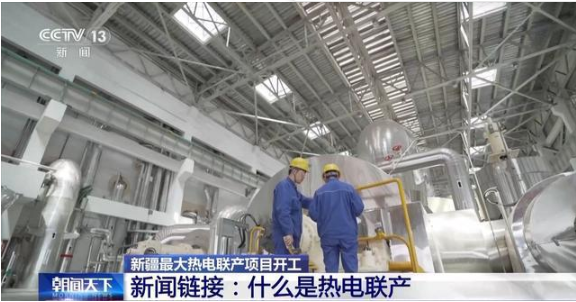 新增供热能力3200万平方米 新疆最大热电联产项目开工
昨天(26日),新疆最大的热电联产项目—&md
资讯
新增供热能力3200万平方米 新疆最大热电联产项目开工
昨天(26日),新疆最大的热电联产项目—&md
资讯
-
 周星驰新片《少林女足》在台湾省举办海选,吸引了不少素人和足球爱好者前来参加
周星驰新片《少林女足》在台湾省举办海选,吸
资讯
周星驰新片《少林女足》在台湾省举办海选,吸引了不少素人和足球爱好者前来参加
周星驰新片《少林女足》在台湾省举办海选,吸
资讯
-
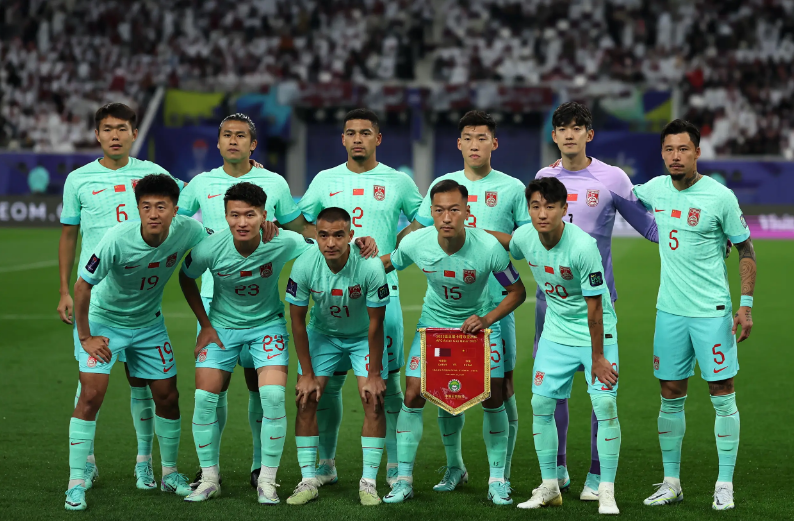 国足13次出战亚洲杯首次小组赛0进球
北京时间1月23日消息,2023亚洲杯小组
资讯
国足13次出战亚洲杯首次小组赛0进球
北京时间1月23日消息,2023亚洲杯小组
资讯